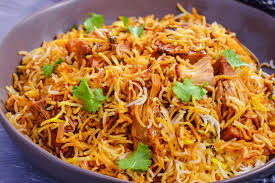

Curry is now one of the UK most popular takeaway choices, enjoyed by millions every week. From creamy chicken tikka masala to spicy vindaloo, takeaway curry has become a staple of British cuisine. But how did this beloved food culture develop? In this article, we explore the history of curry takeaway culture in the UK, from its early origins to the modern delivery-driven era.
Origins of Curry in the UK
The story of curry in the UK begins during the British Raj in India. British soldiers and administrators stationed in India were introduced to the complex spices and flavours of Indian cuisine. Many returned home with a taste for these dishes, gradually introducing them to British households.
Early curry in the UK was often home-cooked, with ingredients adapted to local availability. The first Indian restaurants opened in the 19th century, serving colonial officers and curious locals eager to try authentic Indian flavours.
The influence of returning soldiers, traders, and immigrants laid the foundation for what would eventually become a thriving curry culture across the UK.
The Rise of Takeaway Curry
The modern curry takeaway began to emerge in the 1960s and 1970s, particularly in major cities such as London, Birmingham, Manchester, and Leicester. Bangladeshi immigrants, especially from Sylhet, played a pivotal role in establishing takeaway outlets that brought affordable, authentic curry to the British public.
By the 1980s, curry takeaways were widespread, offering a convenient alternative to dining out. Families and young professionals embraced takeaway curry as a reliable, flavourful, and affordable meal option. The combination of spices, variety, and convenience helped curry takeaways cement their place in UK food culture.
Popular Curry Dishes That Shaped UK Taste
Certain dishes have become synonymous with British curry takeaway:
- Chicken Tikka Masala: Often considered the UK national dish, this mild, creamy curry represents the perfect fusion of Indian flavours with British taste.
- Butter Chicken: Rich, smooth, and indulgent, butter chicken became a favourite among takeaway lovers.
- Lamb Rogan Josh: Aromatic, slow-cooked lamb in a rich sauce, catering to spice lovers.
- Vegetarian Curries: Vegetable korma, chana masala, and dal became popular for meat-free options, reflecting growing vegetarian and vegan trends.
These dishes not only defined flavour preferences but also shaped the menus of takeaway restaurants across the country.
Curry Takeaway and British Culture
Curry takeaway has become more than just a meal—it’s a cultural phenomenon:
- Friday Night Traditions: Many British households adopted “curry night” as a weekly tradition, reinforcing its place in family life.
- Late-Night Takeaway Culture: Urban areas in the UK saw curry takeaways operating late into the night, catering to students, workers, and social gatherings.
- Multicultural Influence: Curry takeaway represents the fusion of British and South Asian cultures, making it a symbol of multicultural Britain.
Curry is now woven into British identity, enjoyed across generations and communities.
Modern Trends in UK Curry Takeaway
Curry takeaway continues to evolve, adapting to modern tastes and lifestyles:
- Healthy and Low-Calorie Options: Many takeaways now offer grilled proteins, vegetable-heavy dishes, and lighter sauces.
- Gluten-Free and Coeliac-Friendly Choices: Catering to dietary restrictions has become more common.
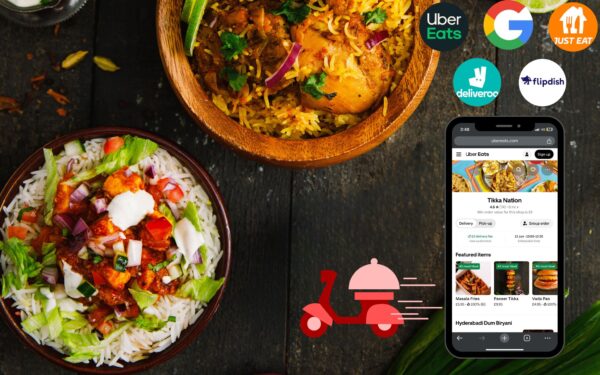
- Digital Ordering and Delivery Apps: Platforms like Uber Eats, Deliveroo, and Just Eat have made ordering curry faster and more convenient than ever.
- Fusion and Regional Innovations: Chefs experiment with new flavours, combining traditional recipes with modern twists.
These trends ensure that curry takeaway remains relevant and popular in contemporary UK life.
Challenges and Opportunities
While curry takeaway is widely loved, it faces challenges:
- Competition: Fast food and international cuisines compete for the takeaway market.
- Maintaining Authenticity: Balancing mass appeal with authentic flavours can be challenging for some outlets.
- Delivery Quality: Ensuring hot, fresh meals during delivery is crucial for customer satisfaction.
Despite these challenges, opportunities abound in digital ordering, specialty dishes, and catering to health-conscious and vegan customers.
FAQs
When did curry become popular in the UK?
Curry started gaining popularity in the 1960s and 1970s with the rise of Indian and Bangladeshi takeaways.
What is the most ordered curry takeaway in the UK today?
Chicken tikka masala, butter chicken, and lamb rogan josh are consistently the top choices.
How has British curry evolved over time?
British curry has evolved from simple home-cooked recipes to a thriving takeaway industry, incorporating vegetarian, vegan, gluten-free, and fusion dishes.
Conclusion
The history of curry takeaway in the UK is a fascinating journey of cultural exchange, innovation, and adaptation. From its colonial-era introduction to the thriving takeaway culture today, curry has become a symbol of multicultural Britain.
Whether enjoying creamy chicken tikka masala, spicy vindaloo, or nutritious vegetable korma, takeaway curry continues to delight taste buds across the UK. Exploring local takeaways is not just about food—it’s a way to experience the rich history and evolution of British curry culture.